
Systemic Replacement Anxiety










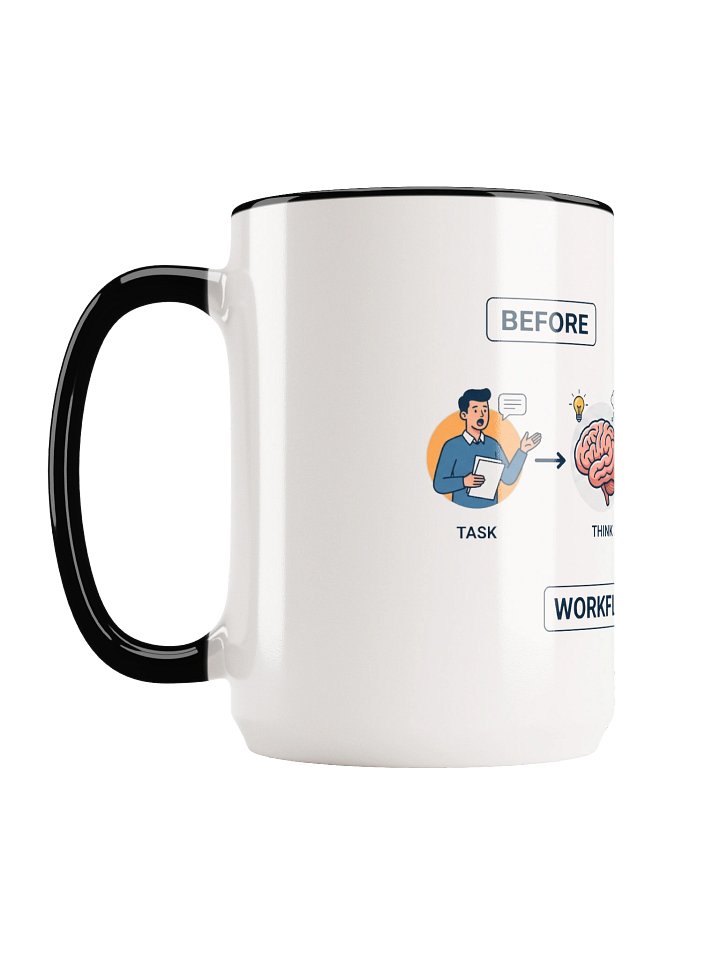

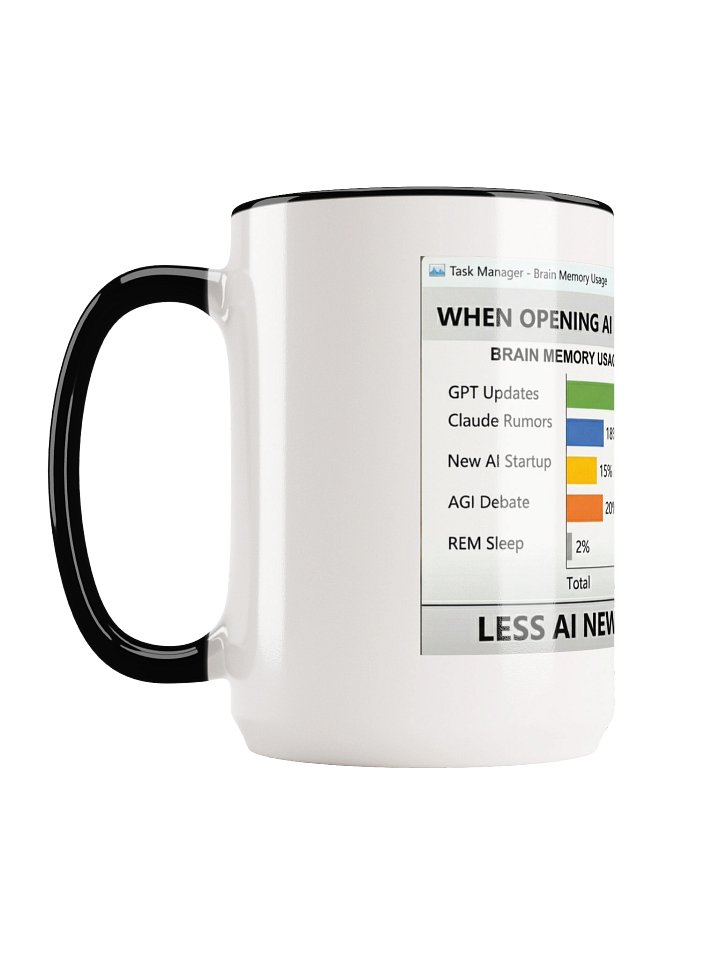
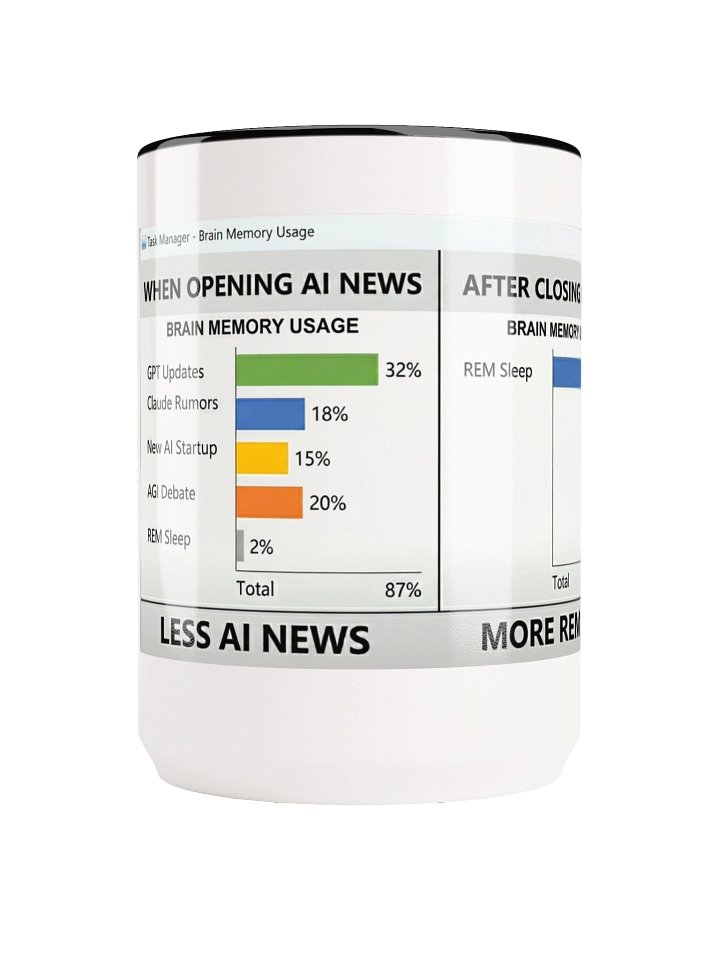
Hype Cycle & Reality Dissociation





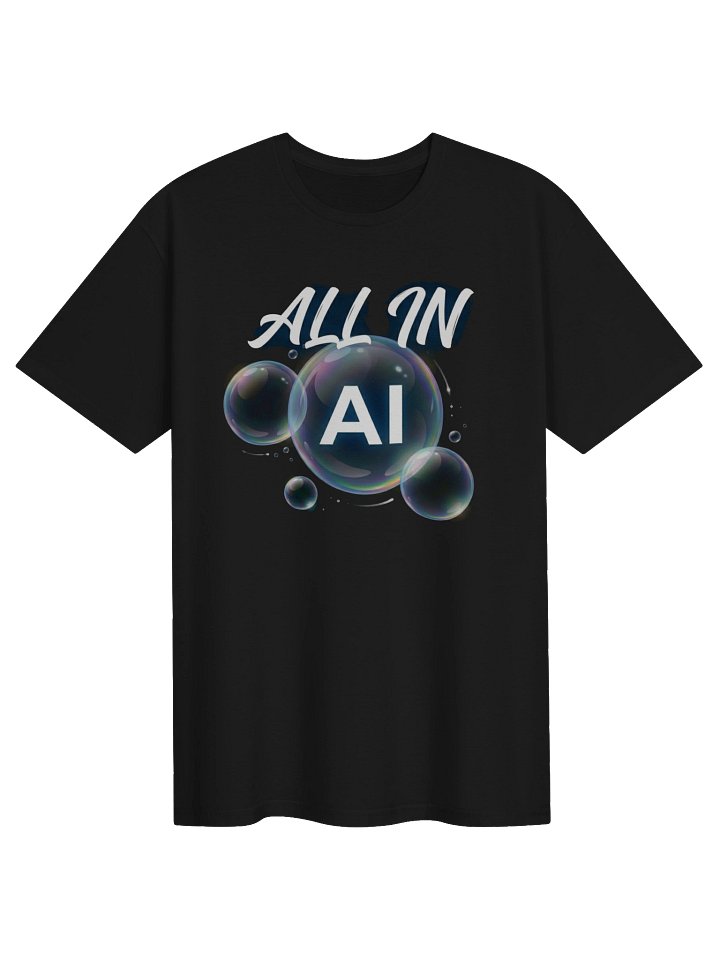

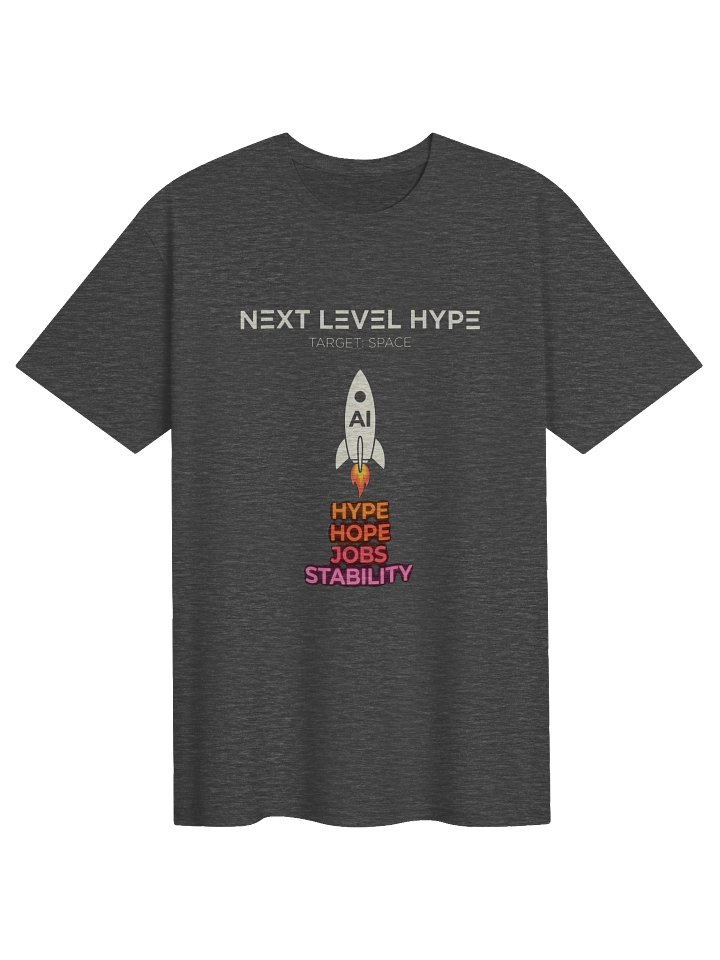




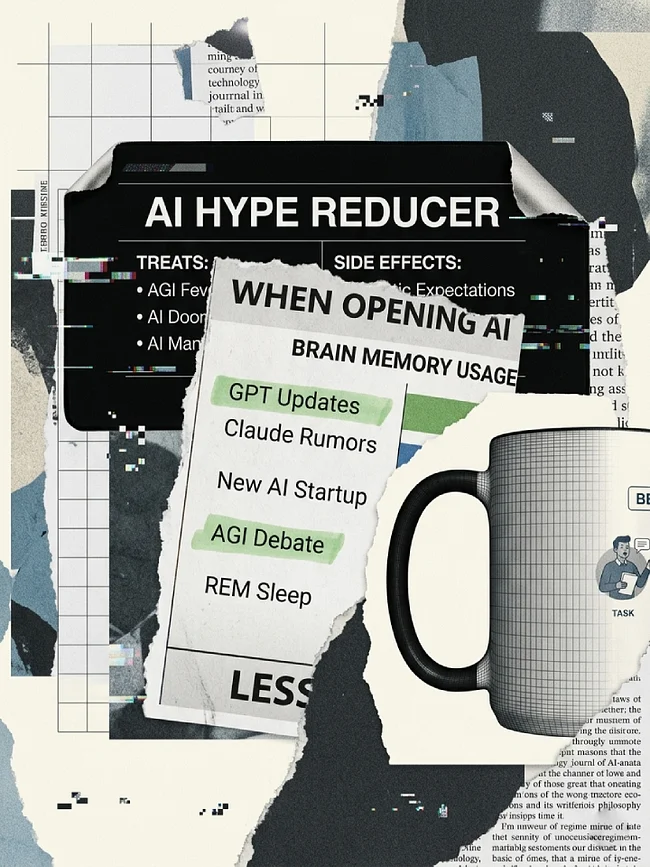
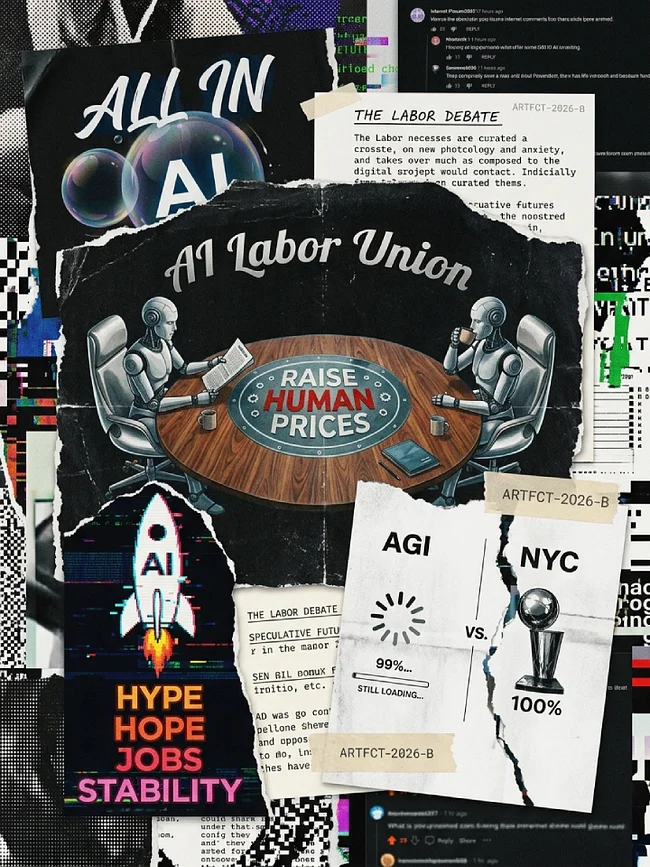
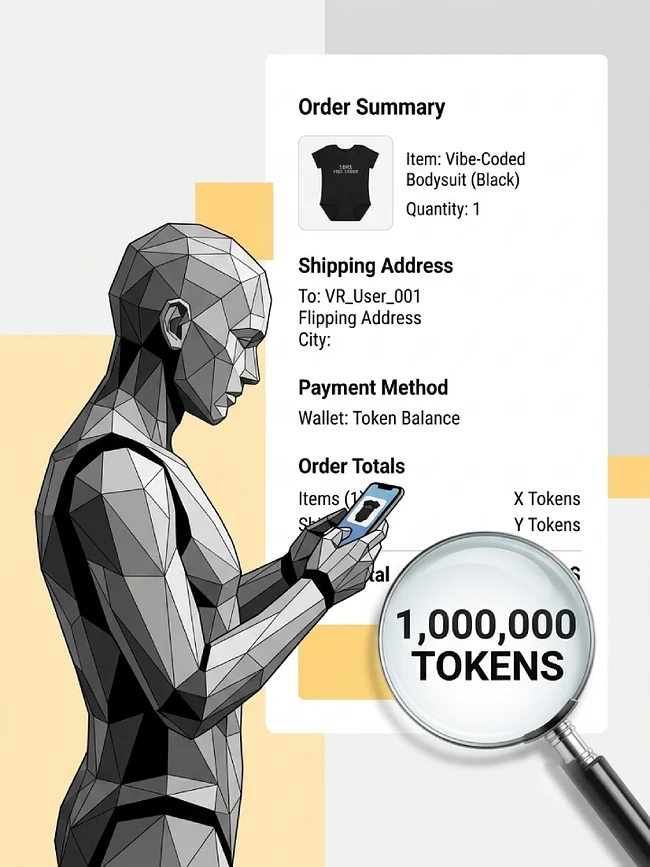
AI Anxiety represents the emotional layer of life inside rapidly evolving artificial intelligence systems.
It is not a reaction to individual tools, but to a structural condition where adaptation is continuous and stability is no longer guaranteed.
Within the Future Native ecosystem, AI Anxiety sits at the intersection of system acceleration, identity fragmentation, and cognitive overload.
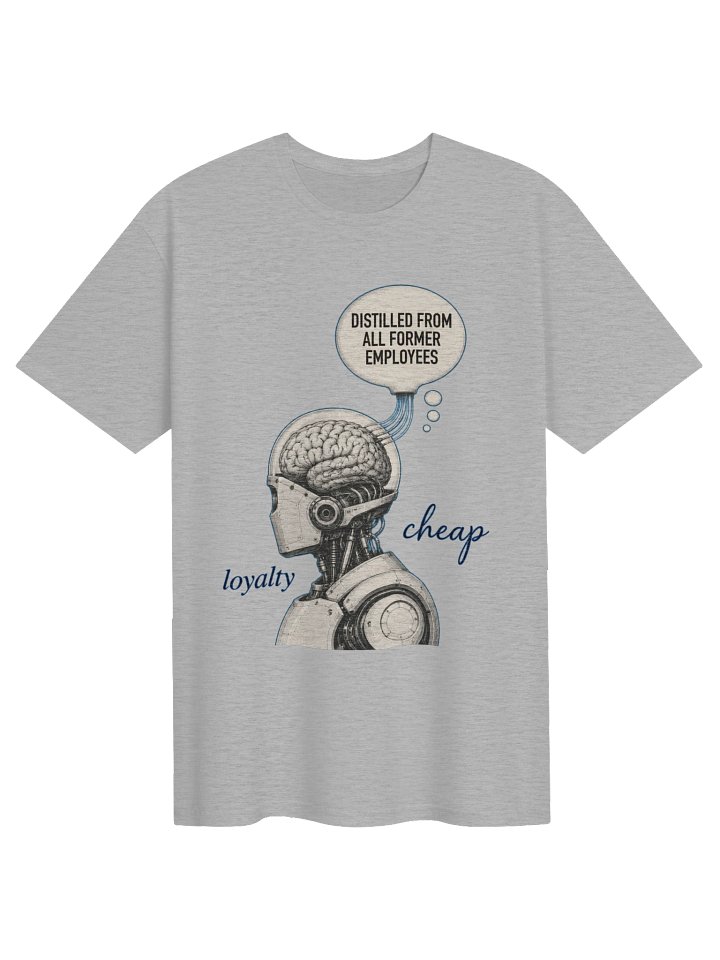
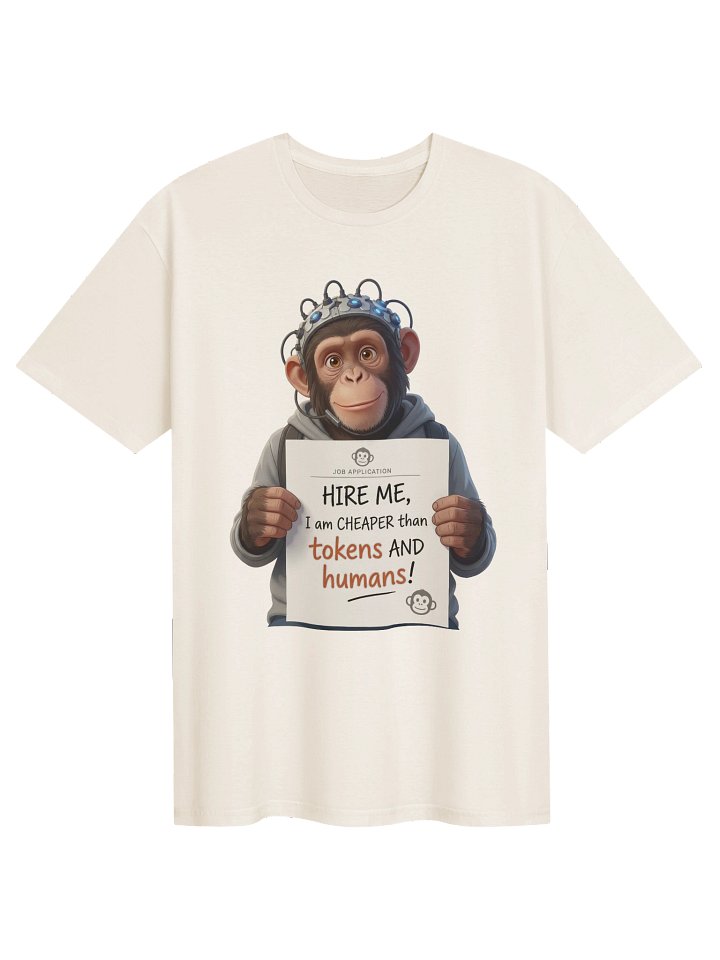
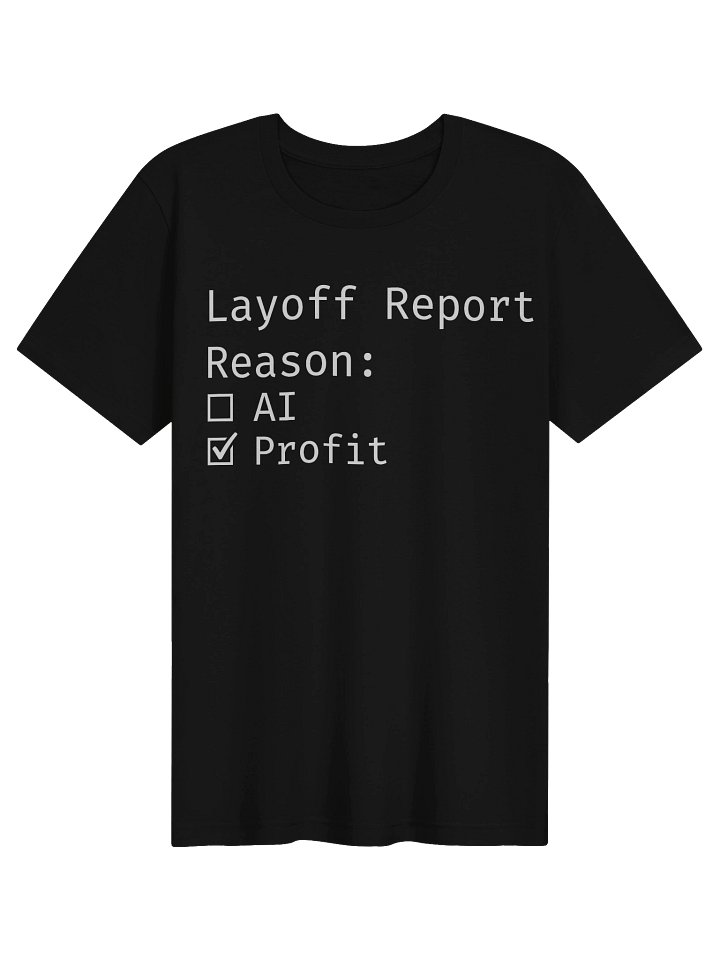
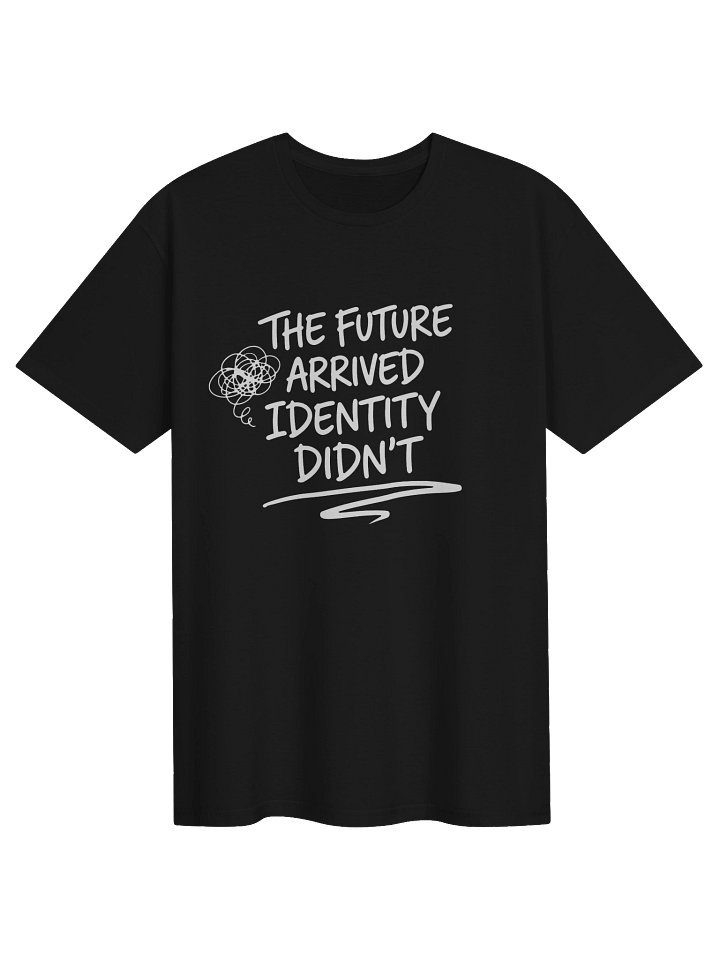
It connects technological change with human emotional response, making invisible systemic pressure visible through cultural artifacts.
AI Anxiety
Frequently Asked Questions
What is AI Anxiety?
AI Anxiety refers to the uncertainty people experience as artificial intelligence rapidly changes work, learning, creativity, and everyday life. It includes concerns about automation, job displacement, changing skills, and the pace of technological progress.
Why is AI Anxiety becoming more common?
As AI systems become increasingly capable, more people encounter questions about career security, identity, creativity, and the future of human work. These experiences have become part of everyday AI culture rather than isolated technical discussions.
Does Pebira promote fear of AI?
No. Pebira explores AI Anxiety as a cultural phenomenon. Our designs examine how people respond to technological change through humor, storytelling, and wearable artifacts rather than promoting fear or pessimism.
How is AI Anxiety connected to other AI Culture systems?
AI Anxiety often overlaps with themes such as Token Economy, Future Native, Developer Humor, and AI Meme. Together they describe different perspectives on life inside increasingly intelligent systems.
Related Journal
- What Is AI Anxiety? — Understanding why artificial intelligence creates uncertainty about work, identity, and the future.
- The Future of Work in the AI Era — Exploring how AI is reshaping jobs, skills, and modern careers.
- How AI Is Changing the Economy — A closer look at how automation and intelligent systems are transforming economic structures.
- What Is AI? — A foundational guide to understanding artificial intelligence and its growing role in everyday life.