
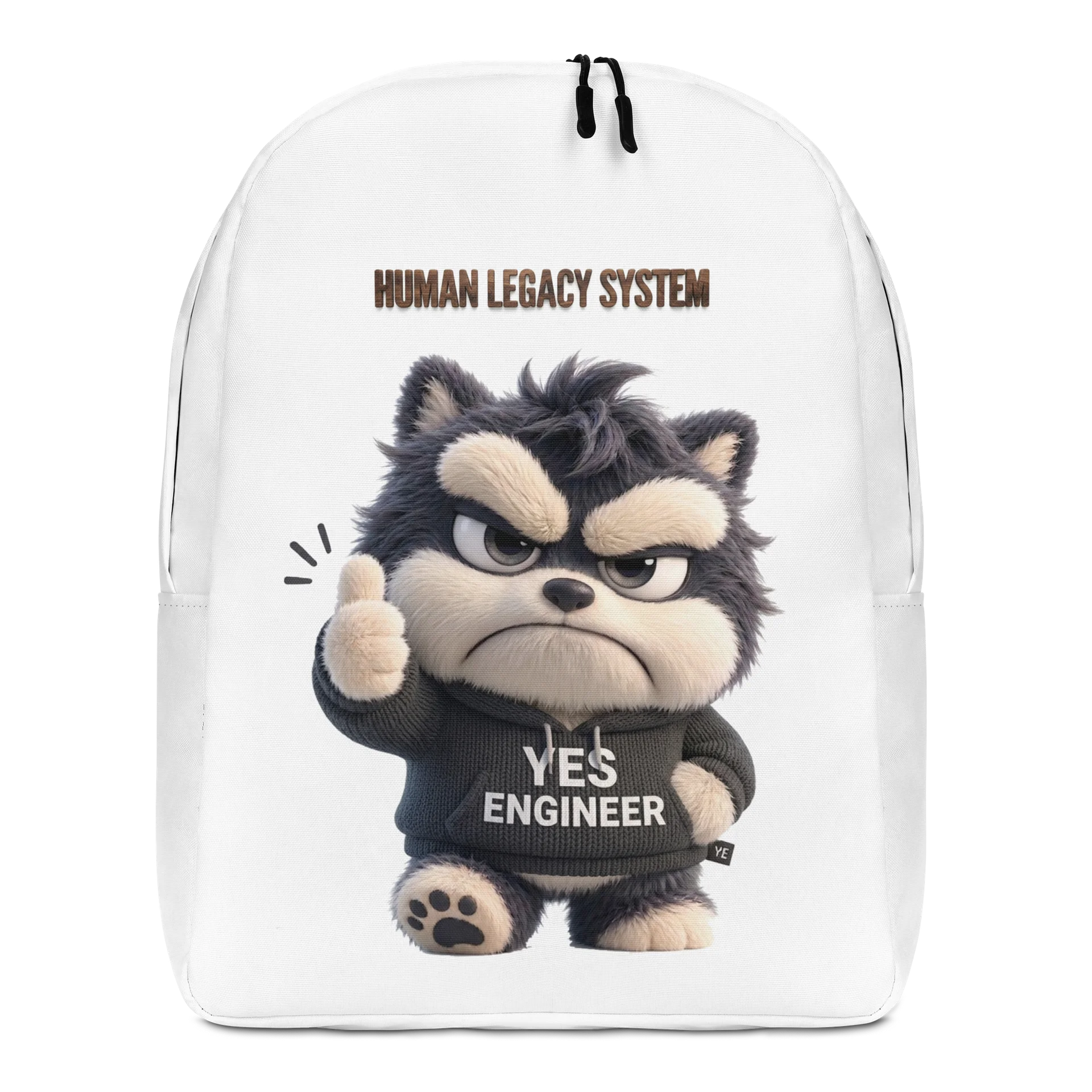
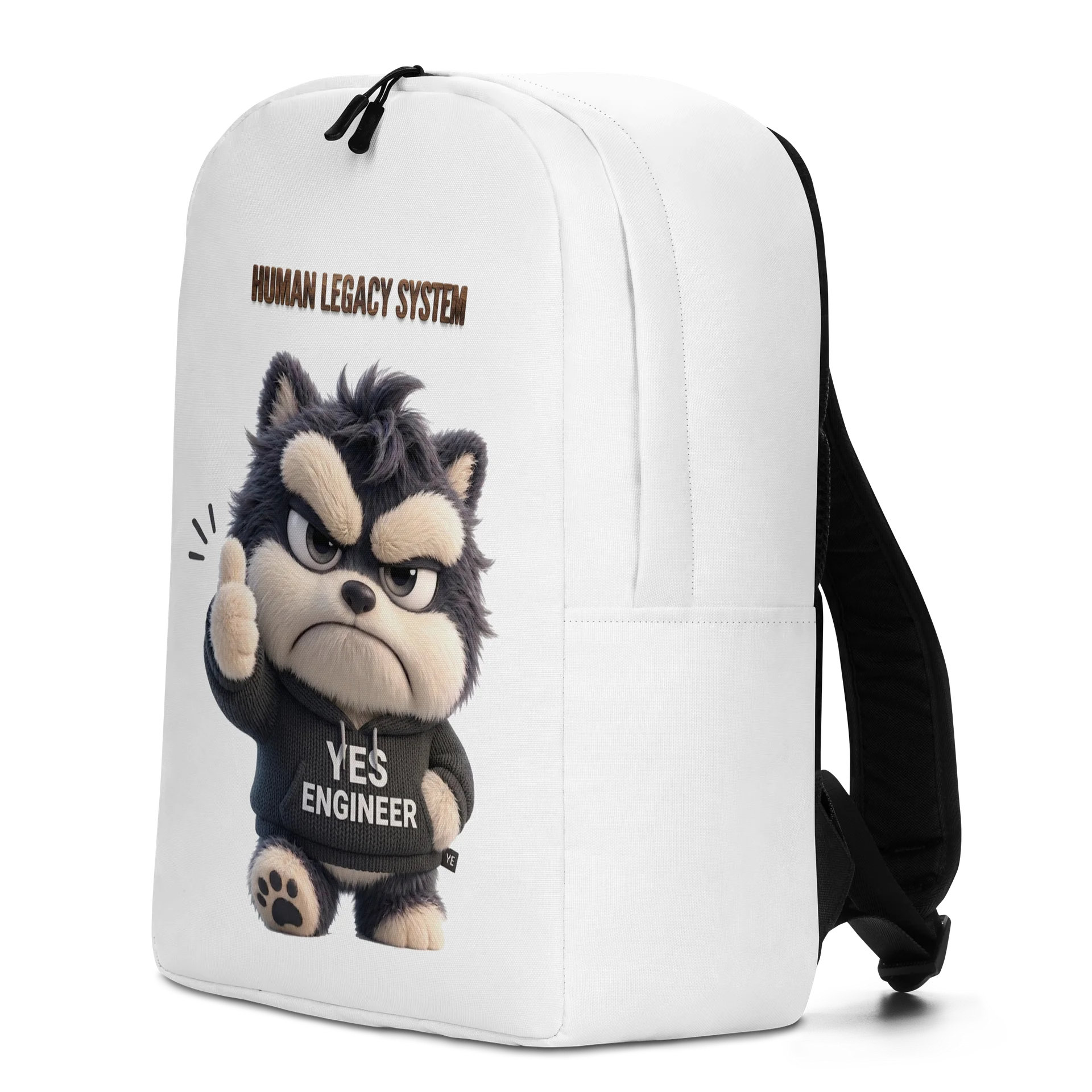
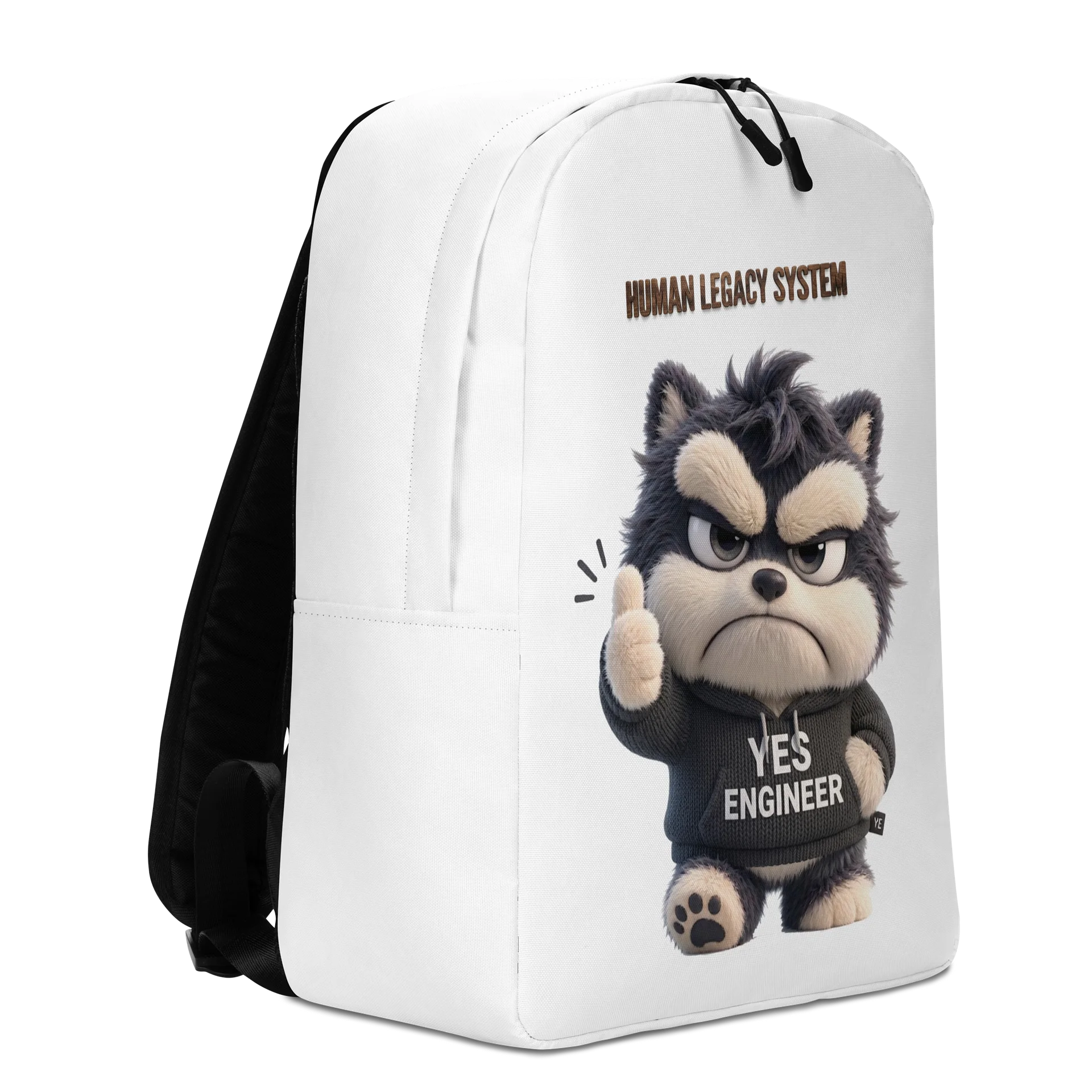
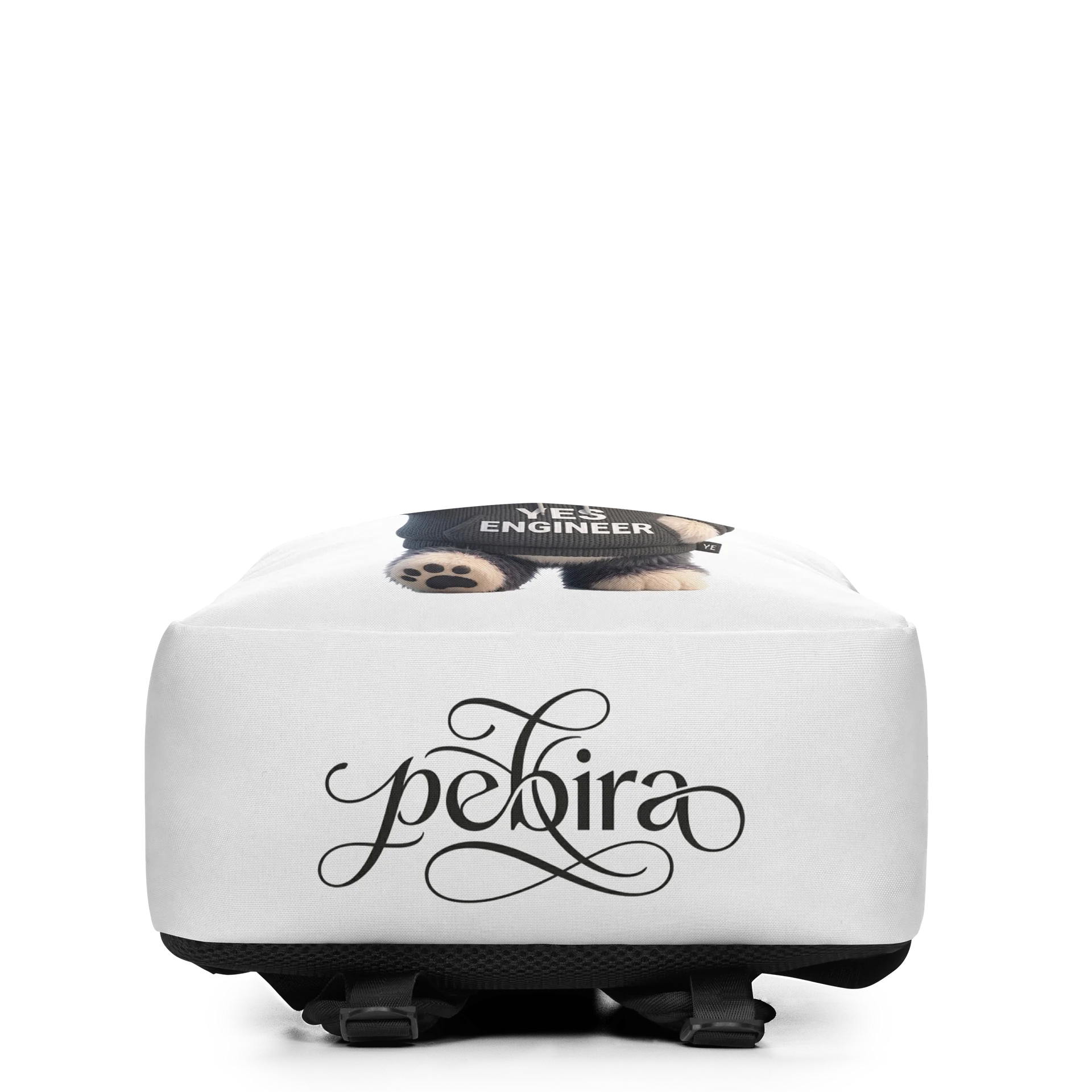





HUMAN LEGACY SYSTEM | Infrastructure Compatibility & AI Era System Meme Backpack
HUMAN LEGACY SYSTEM.
A continuously running system component with no formal deprecation schedule.
In AI-native infrastructure environments, systems are frequently designed around modularity, scalability, and automated optimization. Within this framework, legacy components are typically expected to be replaced, refactored, or deprecated over time.
However, the human component behaves differently.
This design reflects that anomaly.
It frames the human as a persistent legacy system that remains operational within increasingly automated environments — still executing tasks, still adapting to new interfaces, and still absorbing system pressure despite lacking formal optimization pathways.
Unlike modern AI systems, this legacy component does not scale linearly, does not self-optimize predictably, and does not gracefully degrade under load. Instead, it continues functioning through adaptive improvisation.
Within the ai-meme collection, this piece represents the infrastructure continuity layer: where human cognition is treated as an older but still essential system module embedded within a rapidly evolving AI stack.
It reflects a broader architectural reality in AI-driven environments — where cutting-edge systems often depend on non-optimized but irreplaceable legacy human components for interpretation, judgment, and contextual grounding.
Related conceptual artifacts in this meme ecosystem include:
- VIBE CODING | emergent software creation without strict architecture
- I LOVE YOU BUT TOKEN IS EXPENSIVE | emotional interaction under resource constraints
- PERFECT RELATIONSHIP | anthropomorphic system projection patterns
Within the ai-meme hub, this piece functions as the infrastructure persistence layer: where outdated systems remain critical to the functioning of modern AI ecosystems.
Designed for developers, builders, and founders operating in hybrid environments where legacy and frontier systems coexist continuously.
More details
- Made from 100% polyester
- Fabric weight: 9.56 oz
- Dimensions: 16.1″ (41 cm) in height, 12.2″ (31 cm) in width, and 5.5″ (14 cm) in diameter
- Capacity: 5.3 gallons (20 l)
- Max weight: 44 lbs (20 kg)
- Water-resistant material
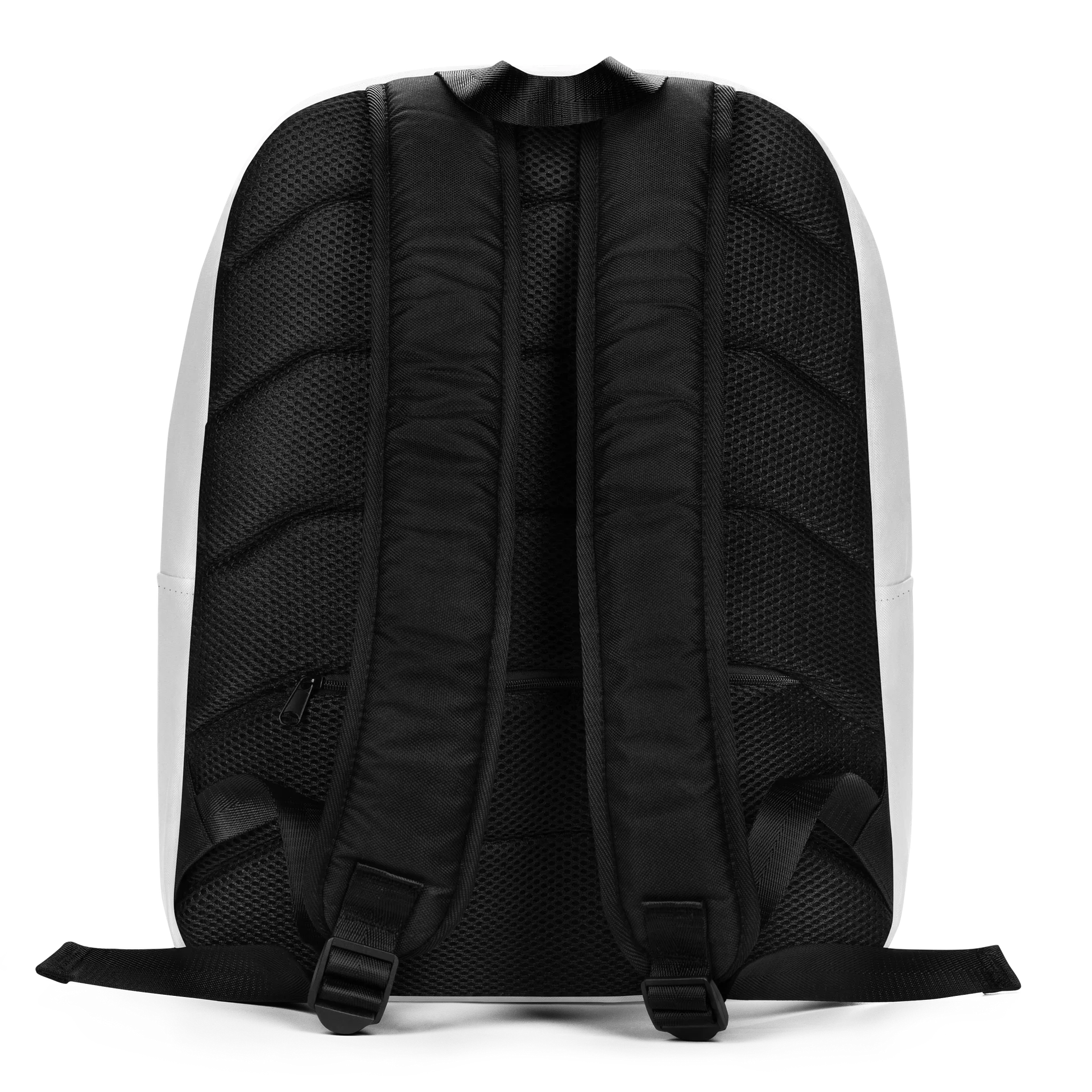
- A large inside pocket with a separate pocket that fits a 15″ laptop
- A hidden pocket with zipper on the back of the bag
EU GPSR Product Information:
- Manufacturer contact information
- Name: Pebira|AI Culture, Made Wearable
- Email: contact@support.pebira.com
- Postal address: PO Box 5696 Santa Monica, CA 90405
- Additional information:This product is made for adults and children. Meets the flammability, and lead, cadmium, bisphenols and phthalates level requirements. 2 year warranty in EEA and UK, established by Directive 1999/44/EC.
Quality Guarantee & Returns
- Quality is guaranteed. If there is a print error or visible quality issue, we'll replace or refund it.
- Because the products are made to order, we do not accept general returns or sizing-related returns.
Reviews
★★★★★
Damien Crawford — May 17, 2026
I first noticed the phrase while browsing and couldn't stop thinking about it. "HUMAN LEGACY SYSTEM" sounds ridiculous until you've spent enough time around AI discussions. Then it starts sounding a little too believable. That's what made me buy it.
★★★★★
Alyssa Monroe — April 21, 2026
I bought this as a gift for my partner, who's constantly talking about AI agents and automation. He laughed immediately and said, "So that's what we are now?" The backpack has been in regular use ever since.
★★★★☆
Jared Whitlock — March 29, 2026
The phrase is what sold me. It feels like the kind of joke that could only exist right now. Half the people who see it laugh. The other half stare at it for a second before realizing why it's funny.
★★★★★
Monica Reeves — February 13, 2026
I work in tech, and sometimes the industry takes itself a little too seriously. This backpack feels like a reminder to keep a sense of humor about all the AI hype and predictions.
★★★★★
Preston Hale — January 20, 2026
I took this on a business trip and ended up explaining the phrase to two different people at the airport. By the end of both conversations, everyone was laughing. That's probably the strongest endorsement I can give.
★★★★★
Nina Holloway — December 11, 2025
What I like is that the joke isn't really about technology. It's about people trying to make sense of rapid change. The wording is clever enough to be funny without feeling negative.
★★★★★
Felix Montgomery — November 6, 2025
I've seen plenty of AI-themed products, but most focus on robots, code, or futuristic graphics. This one stood out because it pokes fun at how humans sometimes get described in tech conversations.